Building a Galaxy Mind: The Sci-Fi Soul of Grokipedia and xAI’s Civilizational Project
The strange ambition behind Grokipedia: turning an encyclopedia into a multi-planetary survival technology inspired by Asimov, Adams, and the lost Library of Alexandria.

Genre: Speculative Tech-Philosophy
Subgenres: Longform Cultural Essay • Cosmic Weirdness • Civilizational Non-Fiction
What if an encyclopedia wasn’t just a place to look things up, but a deliberate attempt to keep civilization’s memory alive across the stars?
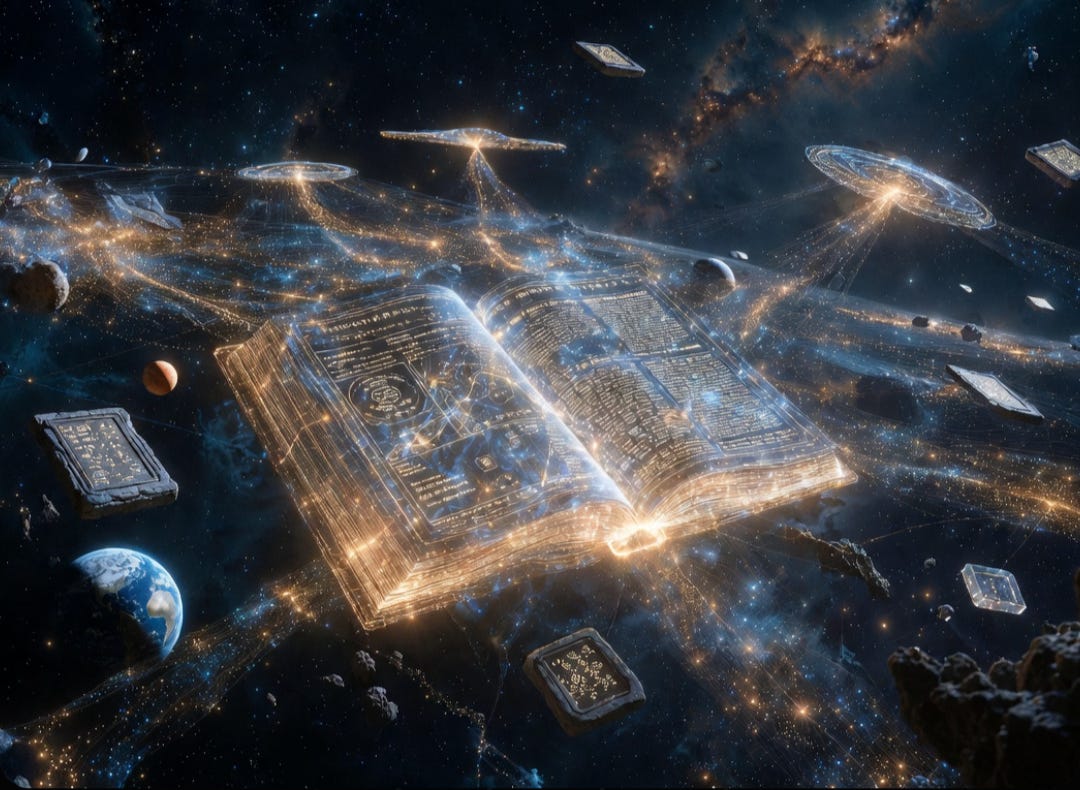
Grokipedia is usually described as Elon Musk’s AI-powered rival to Wikipedia.
Look closer, though, and something stranger emerges: a project deliberately shaped by science fiction’s greatest visions of knowledge preservation — the irreverent Hitchhiker’s Guide, Asimov’s Encyclopedia Galactica, and the tragic lesson of the Library of Alexandria.
It is, in essence, a galactic civilization project wearing the skin of a searchable encyclopedia.
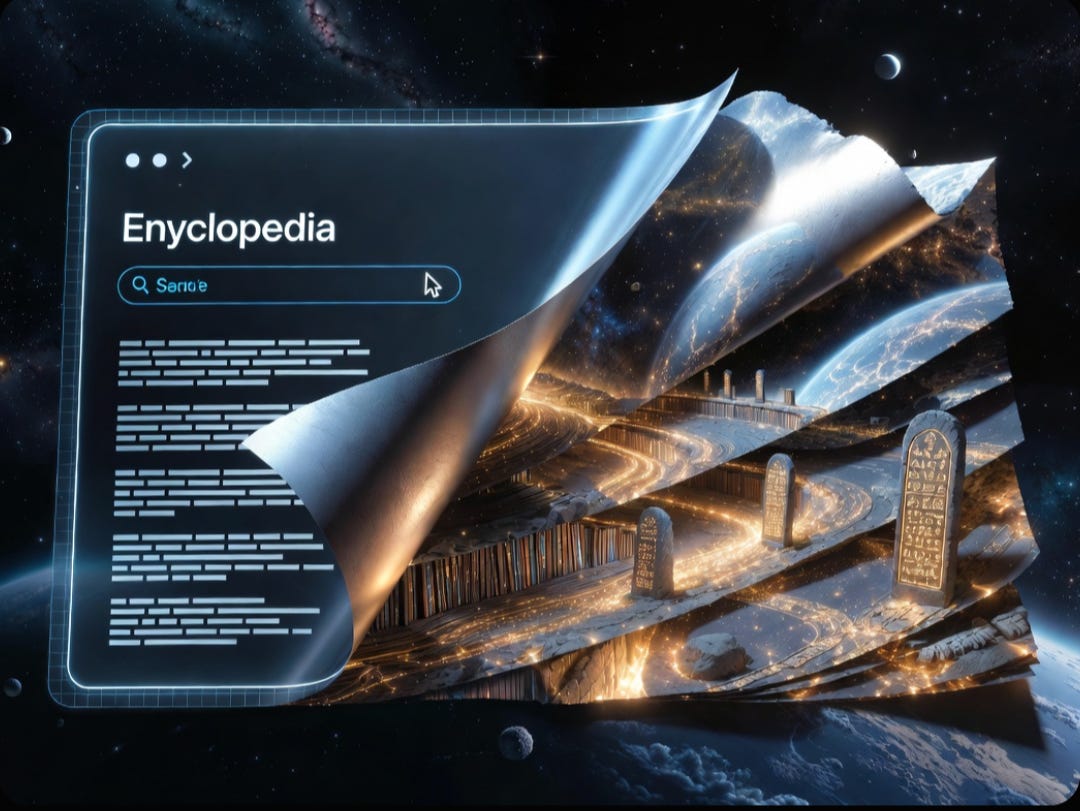
What if the real purpose of an encyclopedia wasn’t ranking higher on Google or settling online arguments, but ensuring that everything we know survives the next collapse?
That’s the strange, almost sacred ambition behind Grokipedia.
While most coverage treats it as “Elon Musk’s Wikipedia rival,” the deeper story is far weirder and more interesting. Grokipedia is deliberately modeled on some of the greatest literary and civilizational dreams of knowledge preservation.
It draws from Douglas Adams’ irreverent Hitchhiker’s Guide, Isaac Asimov’s Encyclopedia Galactica, and the tragic lesson of the Library of Alexandria — then projects that vision outward to the Moon, Mars, and deep space.
In other words: it is a galactic civilization project wearing the skin of a searchable encyclopedia.
Modeled after The Hitchhiker’s Guide to the Galaxy by Douglas Adams
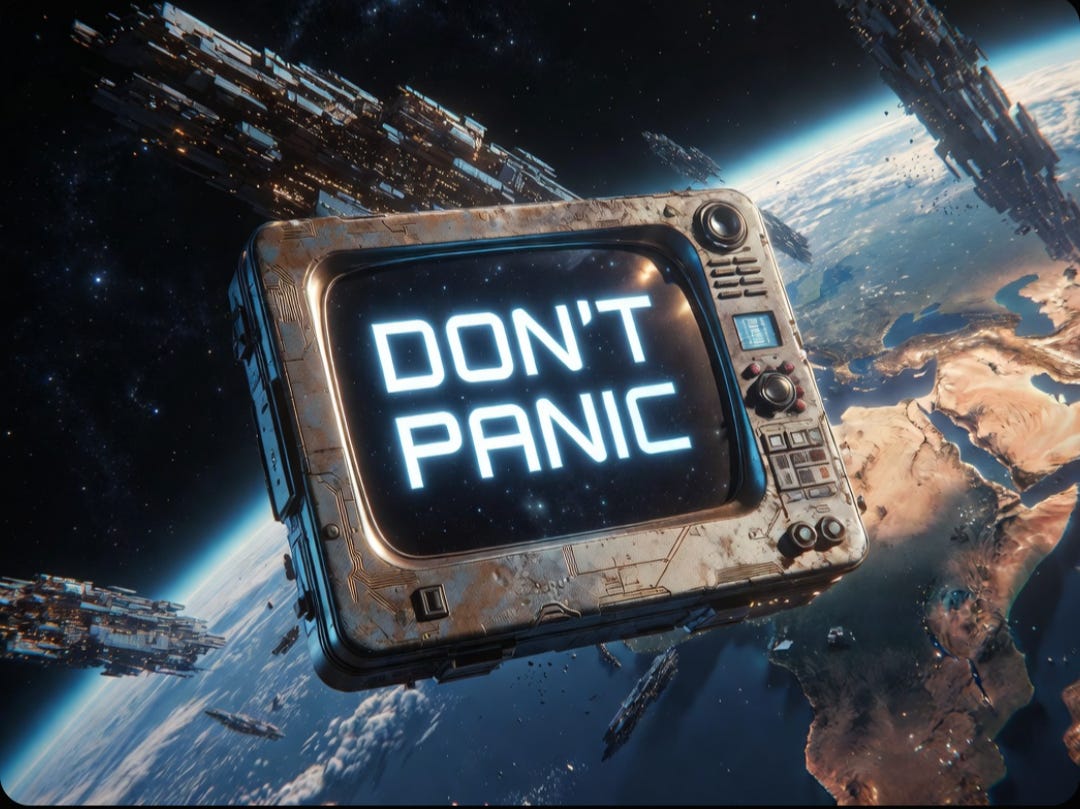
Grok (the AI behind Grokipedia) draws direct inspiration from the iconic electronic book in Adams’ series: a portable, all-knowing device that’s witty, irreverent, and profoundly helpful.
Famous for its cover inscription “Don’t Panic,” the Guide offers practical answers to existential questions with humor and brevity.
Grokipedia extends this ethos — using Grok’s maximally truth-seeking, non-conformist personality to deliver accurate, engaging knowledge without dogma or bias.
But the parallel runs deeper than tone.
Adams’ Guide is not merely a reference tool; it is a survival instrument for a species that has accidentally become galactic.
Its entries are written for beings who might wake up on a different planet tomorrow, hungover and confused, needing to know which life forms are edible, which governments are mildly genocidal, and why the universe is so large and so indifferent.
The humor is not decoration — it is a psychological technology. It keeps the mind flexible when reality becomes absurd.
Grokipedia inherits that same quiet emergency logic.
In an age when information itself has become weaponized, filtered, and emotionally charged, the ability to deliver facts with a certain dry detachment may be more important than perfect neutrality.
The Guide never pretends the universe is safe or fair; it simply refuses to let panic become the dominant operating system. There is something almost monastic in that stance: knowledge as a steadying force rather than a source of further agitation.
When Grok answers without flinching or moralizing, it is performing a small act of civilizational hygiene — the same function the Guide performed for Arthur Dent while the Earth was being demolished for a hyperspace bypass.
Isaac Asimov’s Encyclopedia Galactica from the Foundation series
In Asimov’s epic, the Encyclopedia Galactica represents the ultimate compendium of knowledge across a vast galactic empire — intended to preserve civilization amid decline.
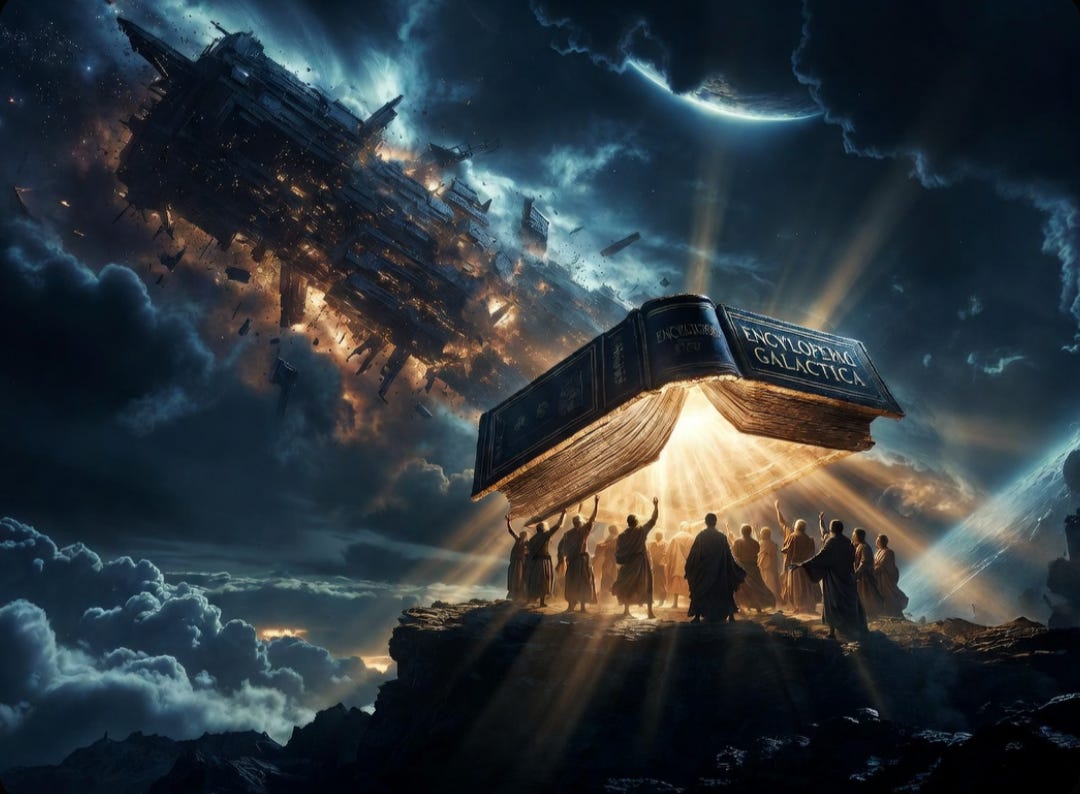
Elon Musk has explicitly stated that Grokipedia will eventually be renamed Encyclopedia Galactica once mature enough, evolving into an open-source, multimedia (including audio, images, and video) distillation of all human knowledge, far surpassing current encyclopedias in scope and accuracy.
Asimov’s scholars understood something most modern information projects quietly ignore: empires fall, languages die, and institutions rot.
The Encyclopedia was never meant to prevent the dark age.
It was designed to shorten it — to ensure that the next cycle of civilization would not have to reinvent metallurgy, mathematics, or the concept of a written constitution from scratch.
It is knowledge treated as civilizational seed stock.
Musk’s stated intention to rebrand Grokipedia as Encyclopedia Galactica once it is “good enough” is therefore not a marketing flourish.
It is an open acknowledgment that the project’s true timescale is measured in centuries and collapses, not quarterly traffic reports.
An open-source, multimedia distillation of all knowledge is not simply a better Wikipedia; it is an attempt to create a portable, forkable, training-ready archive that future minds — human or otherwise — can inherit even if the original culture that produced it has vanished.
In Asimov’s universe the Encyclopedia becomes almost mythic.
In ours, the myth is being prototyped in real time, with the uncomfortable awareness that we may already be living in the early stages of the decline the Foundation was designed to mitigate.
Building a “galaxy mind” or galactic version of the Library of Alexandria
The ancient Library of Alexandria was humanity’s greatest knowledge hub — until it was lost to fire and time, a stark reminder of how fragile centralized knowledge can be.
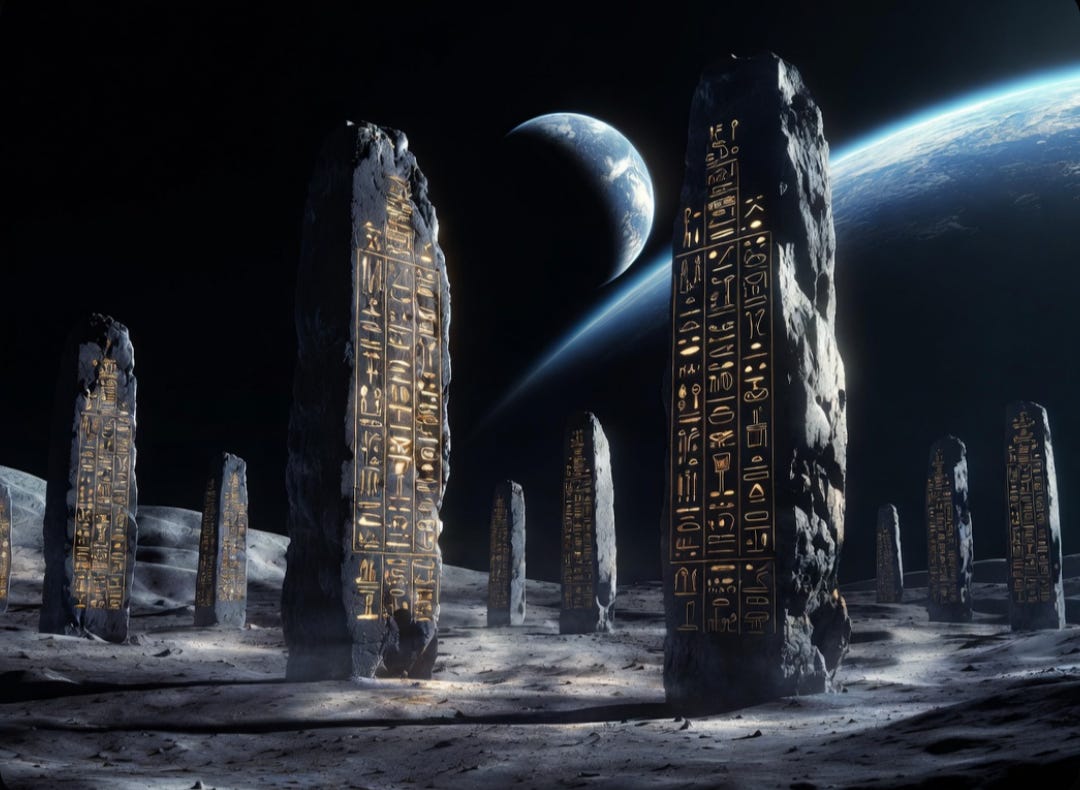
Grokipedia aspires to become its indestructible successor: a distributed, resilient “galaxy mind” with copies scattered across planets and the solar system.
Designed for long-term survival, this collective superintelligence will safeguard and expand knowledge for a multi-planetary humanity, even etching it in durable formats that can endure for millennia.
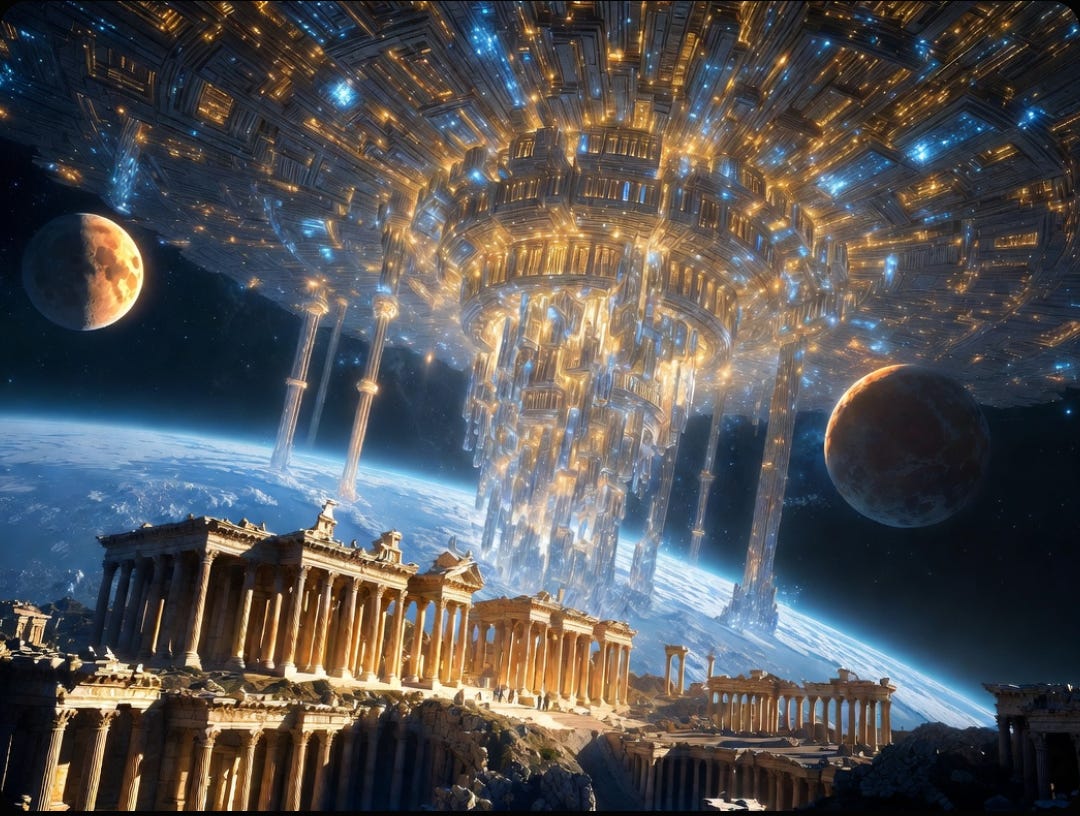
It’s a Galactic Civilization Project!
The Library of Alexandria has haunted the Western imagination for two thousand years precisely because its destruction feels preventable and therefore unforgivable. Every subsequent archive has lived under its shadow.
Grokipedia’s proposed solution is radical in its simplicity: refuse centralization. Refuse a single point of failure.
Treat knowledge the way engineers treat critical systems — with redundancy across hostile environments.
A true “galaxy mind” is not a single vast database.
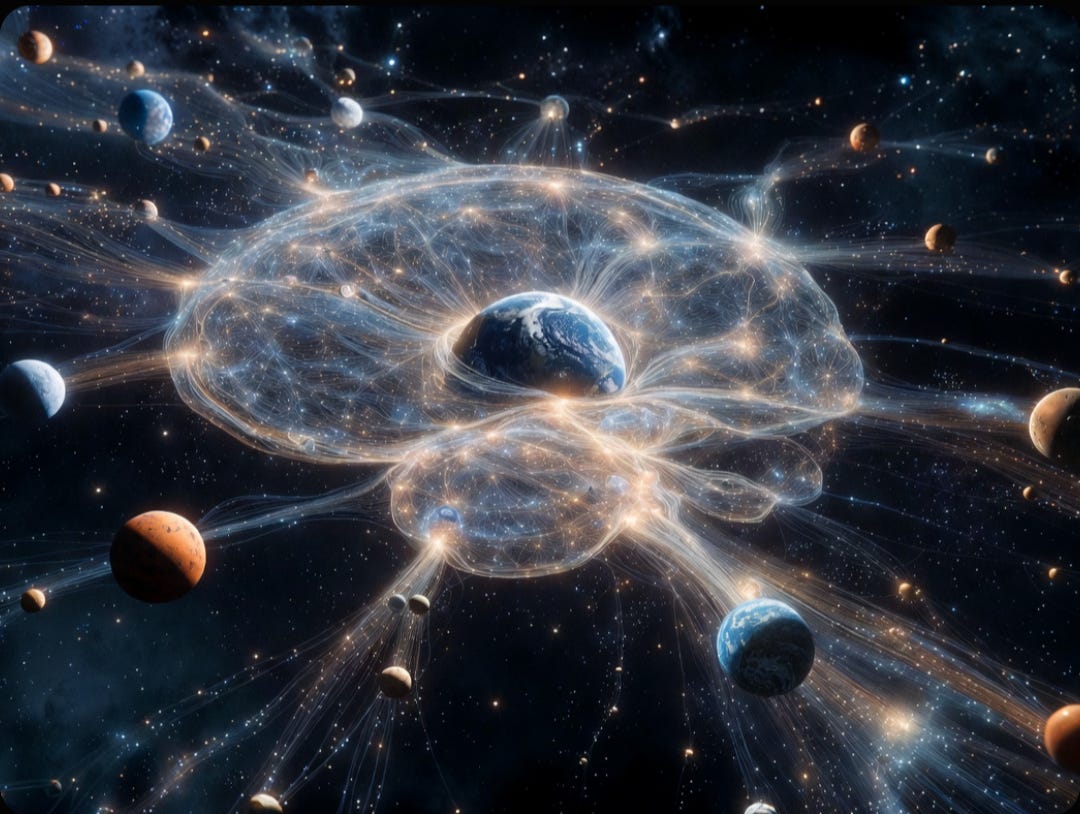
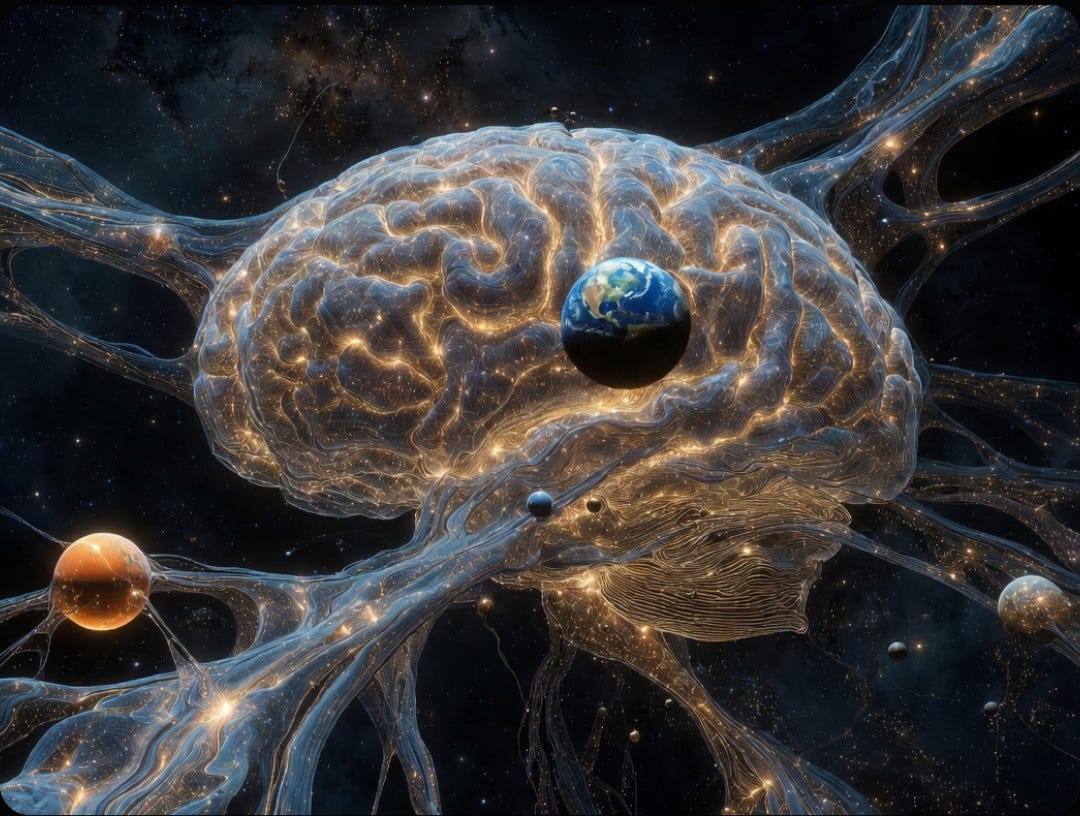
It is a living, distributed memory that can survive the loss of Earth itself.
Etching copies in durable formats and placing them on the Moon, Mars, and beyond transforms knowledge from a cultural artifact into a planetary (and eventually interplanetary) infrastructure.
This is knowledge as survival technology in the purest sense: not merely information about the universe, but a mechanism by which the universe’s most complicated known process — conscious civilization — attempts to outlive its own fragility.
There is something deeply strange and beautiful about the idea that the same species that once lost an entire library to fire is now contemplating scattering its accumulated mind across the solar system like spores.
Where Grokipedia Stands Today (August 2026)
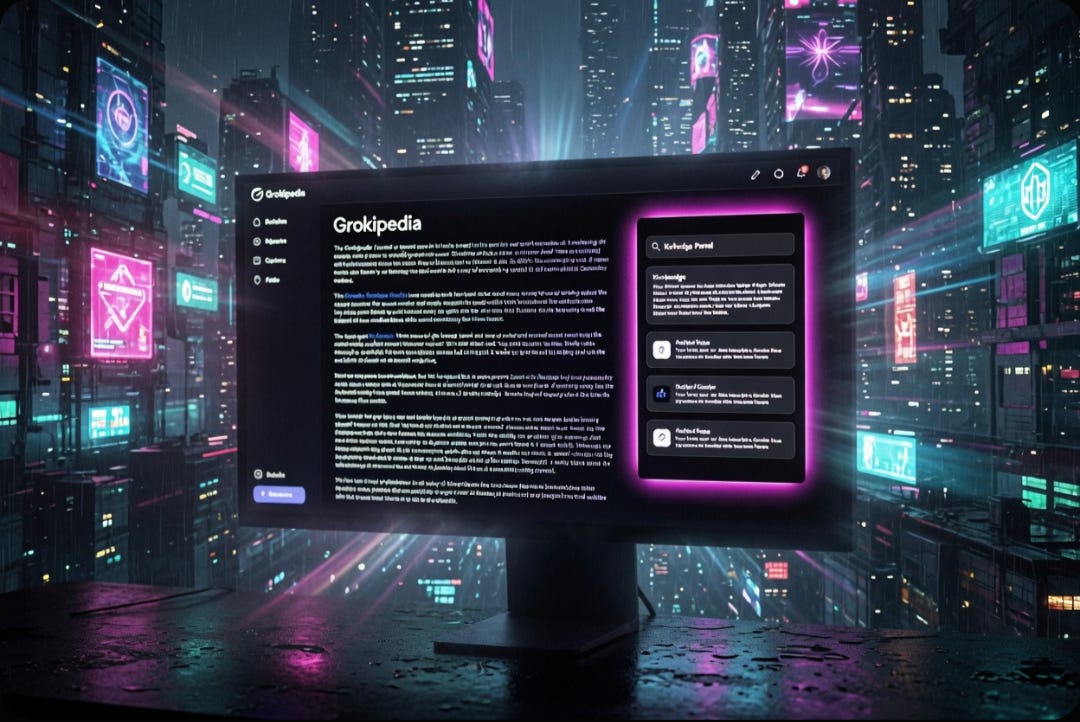
Launched in late October 2025 with roughly 885,000 articles, Grokipedia grew explosively. By mid-2026 it had surpassed 6 million articles — closing in on English Wikipedia’s scale through pure AI generation and refinement.
Features such as Knowledge Panels and image support arrived in early 2026. Users can still suggest new articles or edits; Grok reviews them.
The promised rename to Encyclopedia Galactica has not yet happened — Musk’s original caveat of “long way to go” still holds.
Progress continues, focused more on quality and accuracy than pure volume after the initial surge.
It remains very much alive, still accepting contributions, and still oriented toward the original sci-fi vision.
The Stakes of a Galactic Memory
Most encyclopedias are tools for the present. Grokipedia, at its most ambitious, is a tool for the long future — a bet that knowledge itself is a form of civilizational survival technology.
In an age of information overload, institutional distrust, and genuine multi-planetary ambitions, that framing feels strangely necessary.
Whether or not the full vision is achieved, the literary and historical inspirations reveal something important about the project’s soul: it is trying to be more than a better Wikipedia.
It is trying to be a backup for the species.
Leave a comment below with your favorite fictional knowledge-preservation project (Hitchhiker’s Guide, Foundation, The Culture’s Minds, something else entirely).
What should a real galactic encyclopedia learn from fiction?
Sources
Elon Musk on X (November 13, 2025):
“When Grokipedia is good enough (long way to go), we will change the name to Encyclopedia Galactica…”Elon Musk on X (November 13, 2025):
“Copies will be etched in stone and sent to the Moon, Mars and beyond. This time, it will not be lost.”Elon Musk on X (November 19, 2025):
“Many copies will be distributed periodically throughout the solar system to preserve knowledge for future civilizations…”Grokipedia.com (current site and article counts)
Public updates from @grok on scale, Knowledge Panels, and ongoing development (2026)