Genre: Southern Gothic Horror | Supernatural | Psychological Thriller
Barataria Swamp, Louisiana
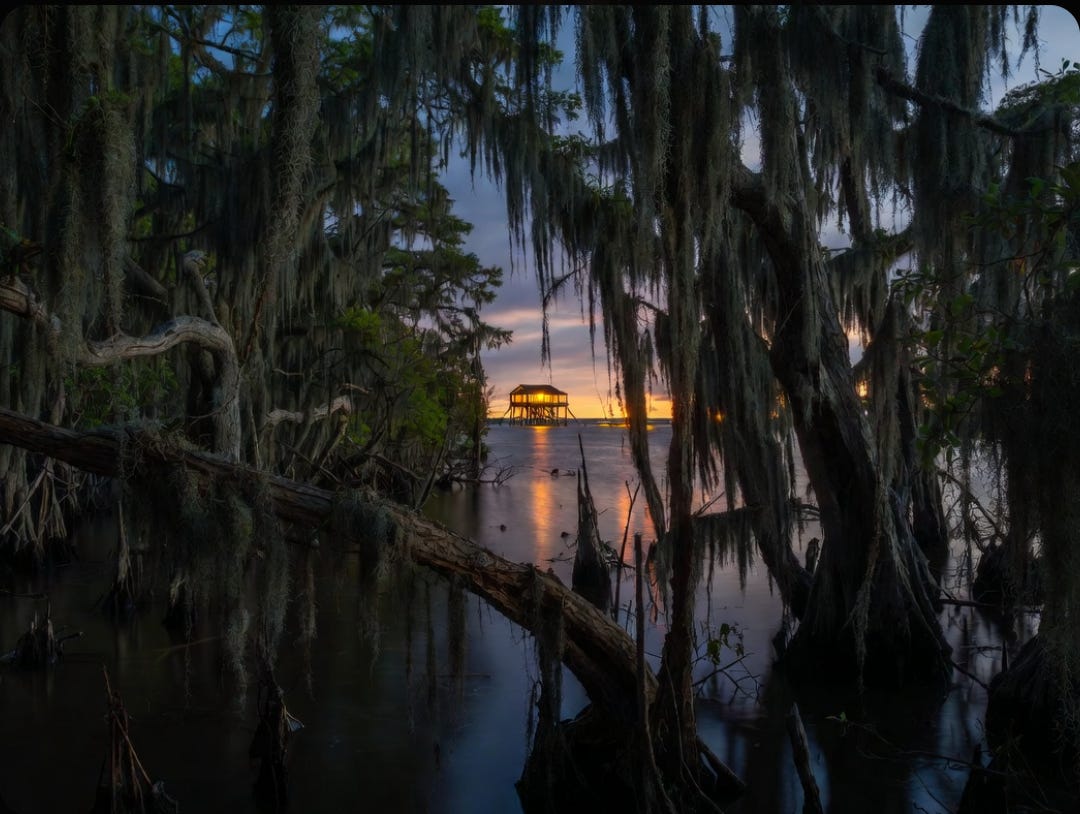
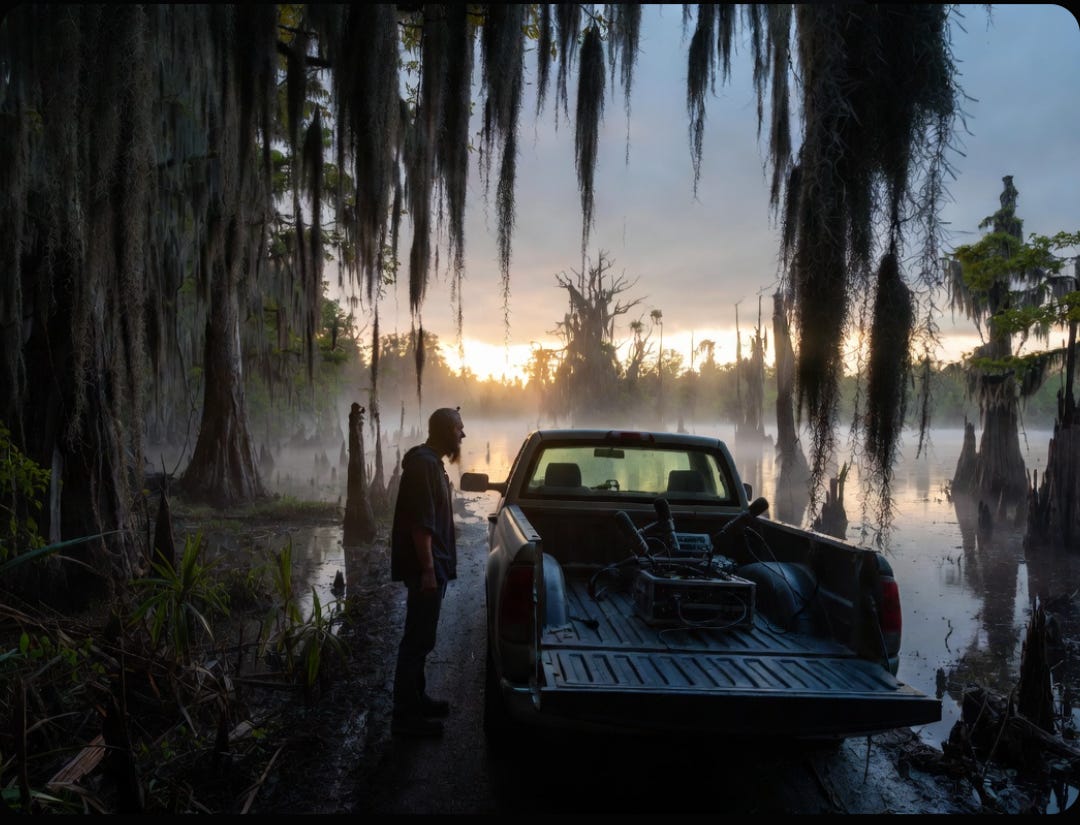
Beau Arceneaux killed the engine of his battered pickup just as the last light bled from the sky. The silence that followed felt wrong—too complete, like the swamp had been holding its breath.
He’d driven out from New Orleans with a trunk full of microphones, a digital recorder, and the kind of exhaustion that made city noise feel like sandpaper on the soul.
Burnout, his manager had called it. Beau called it the weight of too many borrowed notes in too many smoky bars.
His grandmother’s blood ran in him, though he’d spent years trying to drown it. Delphine Arceneaux had been a mambo, a voodoo priestess whose hands could calm storms or call them.
She used to say the loa spoke through sound—drums, whispers, the rattle of seeds in a gourd. Beau had laughed as a boy.
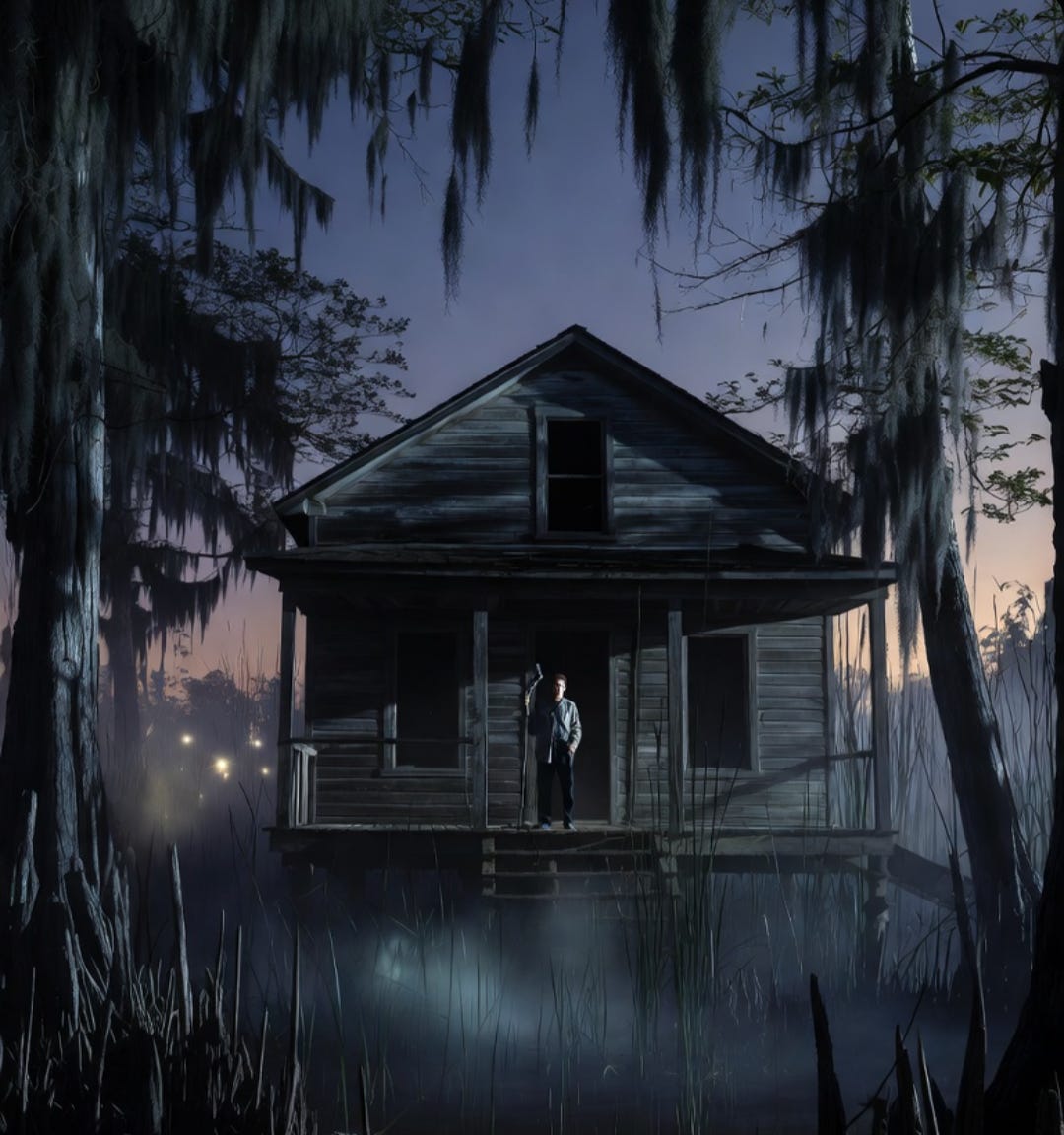
Now, at thirty-two, he was renting a stilt cabin deep in Barataria Swamp for “authentic field recordings.”
The old woman who took his cash at the dock had only one warning: “Don’t answer if it calls your name, cher.
Some ancestors don’t want you found. Some do.”
He told himself it was just local color.
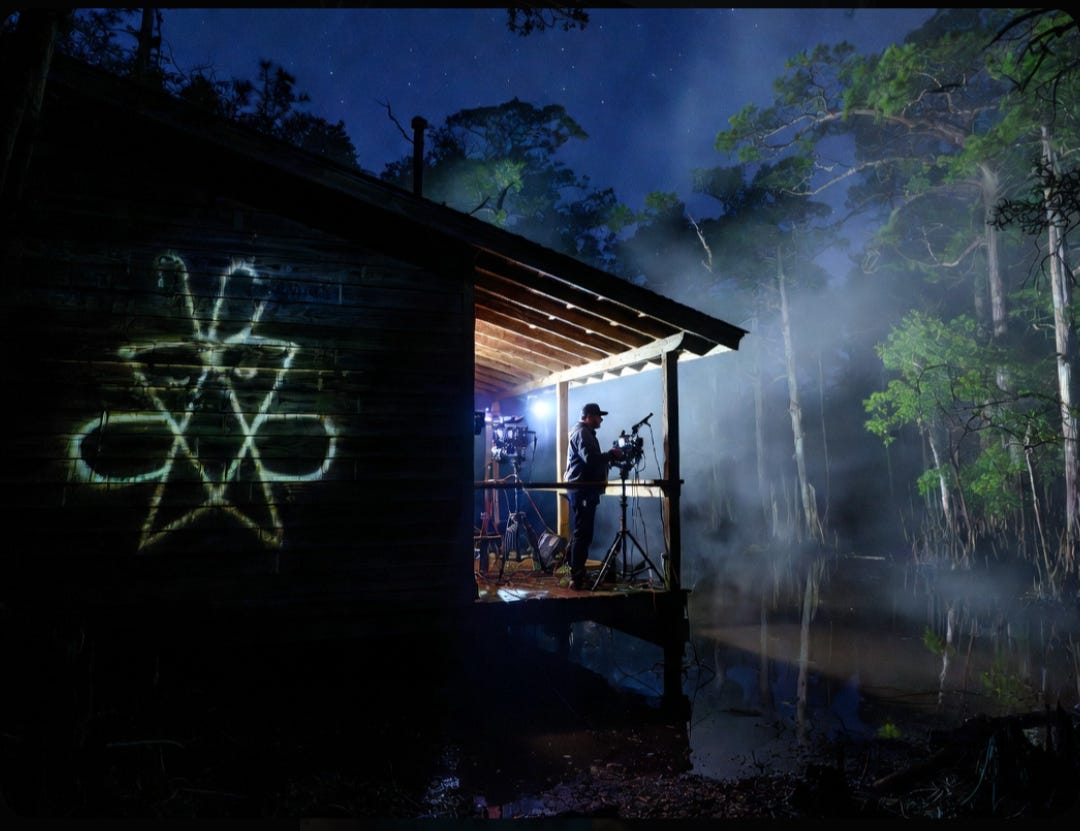
The cabin creaked as he unpacked. Outside, the swamp orchestra tuned up: cicadas like rusted saw blades, tree frogs in overlapping thirds, the low bellow of a gator somewhere beyond the cypress knees.
Beau set up his mics on the narrow porch, hit record, and let the night pour in.
At 2:17 a.m., the first drum appeared.
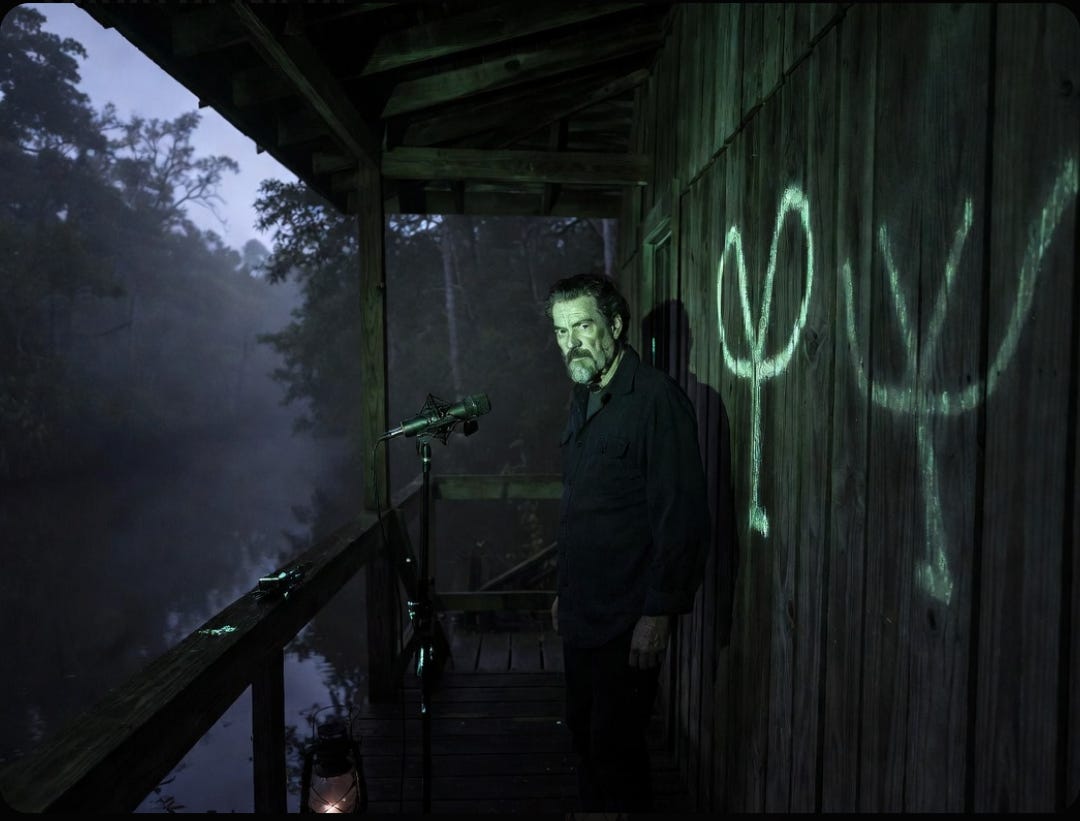
It was faint, almost lost beneath the insects—a steady thump-thump-thump like a funeral march slowed to a crawl. Not jazz. Older. The rhythm tugged at something behind his ribs.
He checked the levels. Clean. Real. He smiled for the first time in months.
The next night the drums had company.
A woman began to hum. The melody was Creole, half-remembered from his grandmother’s porch, a lullaby about the river taking children who wandered too far.
Beau froze with his hand on the screen door.
The voice wasn’t outside.
It felt inside the recording already, layered so perfectly he could separate it only on playback. When the humming shifted into his mother’s voice—dead twelve years, cancer quiet in a charity ward—the hairs on his arms rose like soldiers.
He played it again. Then again. Each time the voice grew clearer, warmer, calling him by the childhood nickname only his mother had used: ’Tite bête.Night three brought the scratching.
It started low on the cypress pilings, like claws testing wood.
When he swept the flashlight beam down, it stopped. The moment the light moved away, it resumed—closer now, circling.
A distant howl rose, long and mournful. Rougarou country, the locals said. But this howl ended on the exact three-note whistle Beau had absentmindedly used while setting up mics the first evening.
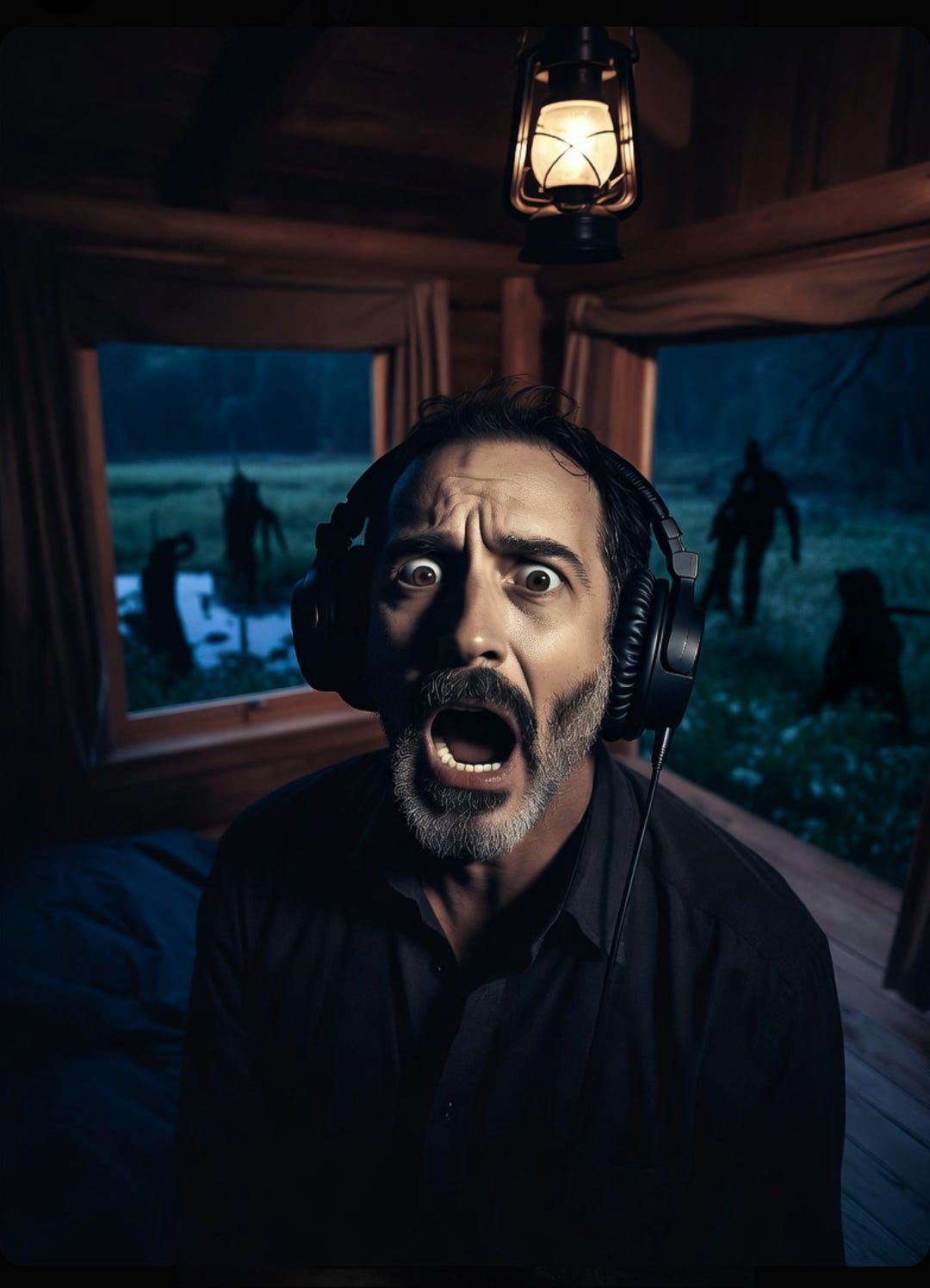
He didn’t sleep.
On the fourth night he reviewed everything. The recordings had grown crowded. Beneath the natural swamp chorus lay whispers in Haitian Creole and Louisiana French—words his grandmother once muttered during rituals.
A corrupted trumpet slid in, playing a warped “When the Saints Go Marching In,” the notes bending like heat off blacktop. And woven through it all, his own voice, saying things he had never spoken aloud:
“Come home, Beau. The blood remembers.”
“The loa are patient. But the reed calls.”
The swamp had learned him.
He should have left.
Instead, he stayed, drawn by the same sick curiosity that had once made him chase ghost notes in back-alley clubs.
Ancestral calls. Family curse.
His grandmother had broken a pact decades ago—something about refusing a spirit’s demand during a hurricane ritual.
The loa had marked the line. Now they wanted payment in blood, or in service. Beau was the last male Arceneaux.
The fifth night brought the storm.
Rain hammered the tin roof like thrown gravel. Wind made the cypress groan.
Beau sat on the porch with headphones on, recorder running, when the voices began in earnest. Not one woman now—many.
Men, children, his mother, his grandmother. They called from the water’s edge, urgent and loving.
“Beau! The boat’s sinking—help us!”
“’Tite bête, the current’s too strong!”
He grabbed his flashlight and the portable recorder; mic extended like a weapon.
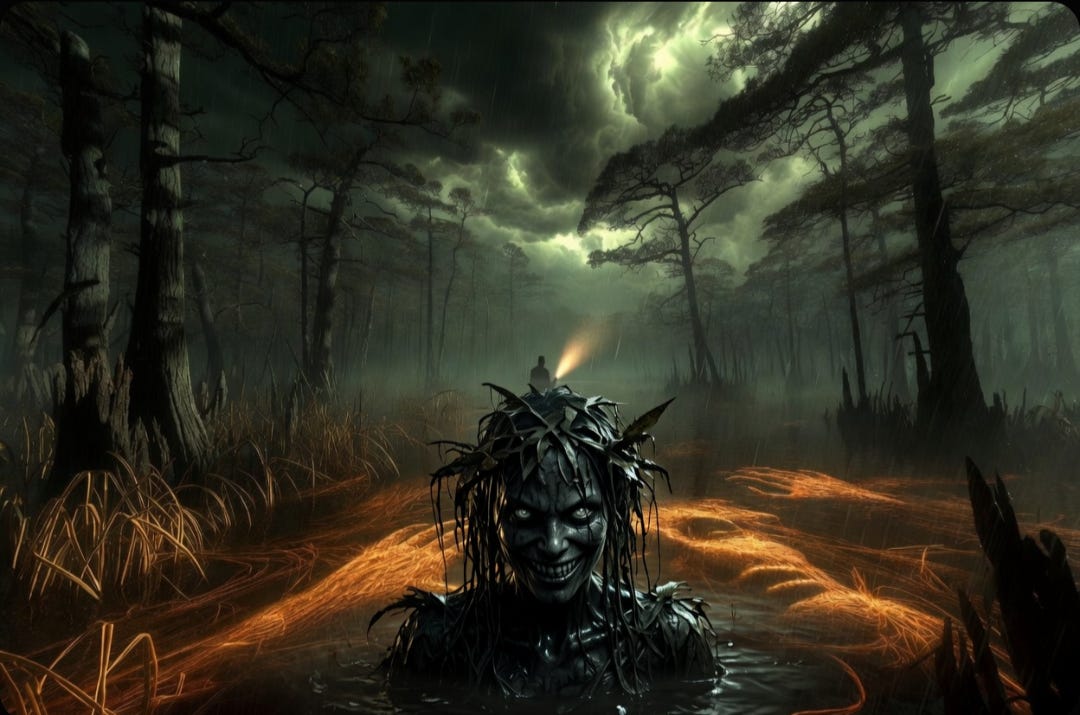
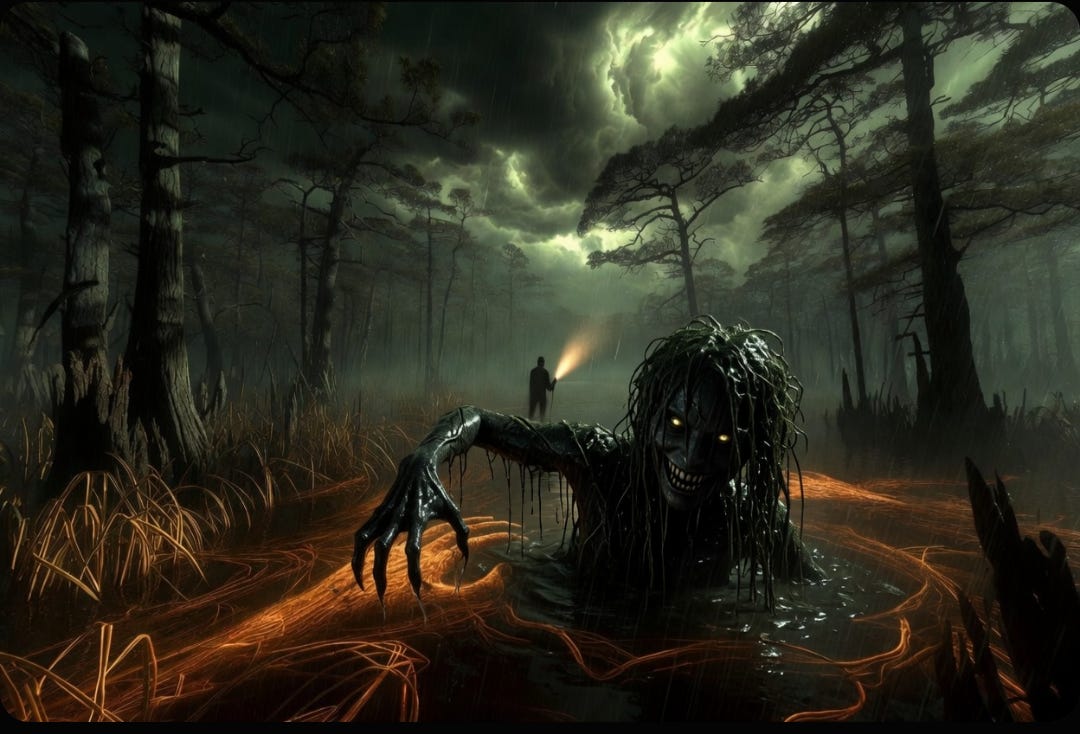
The beam cut tunnels through rain and Spanish moss.
The voices grew louder, more desperate, pulling him down the rickety steps and onto the flooded path.
Vegetation parted before him with unnatural ease, reeds bending as though hands guided them.
The water rose to his knees, warm as bathwater.
Behind him—behind—the same voices laughed softly.
He spun. The flashlight showed only rain and empty swamp.
But the audio in his headphones was pristine: footsteps sloshing through water, multiple sets, closing in. His own recorded voice spoke calmly over them:
“You always were slow, cher. The reed has your name now.”
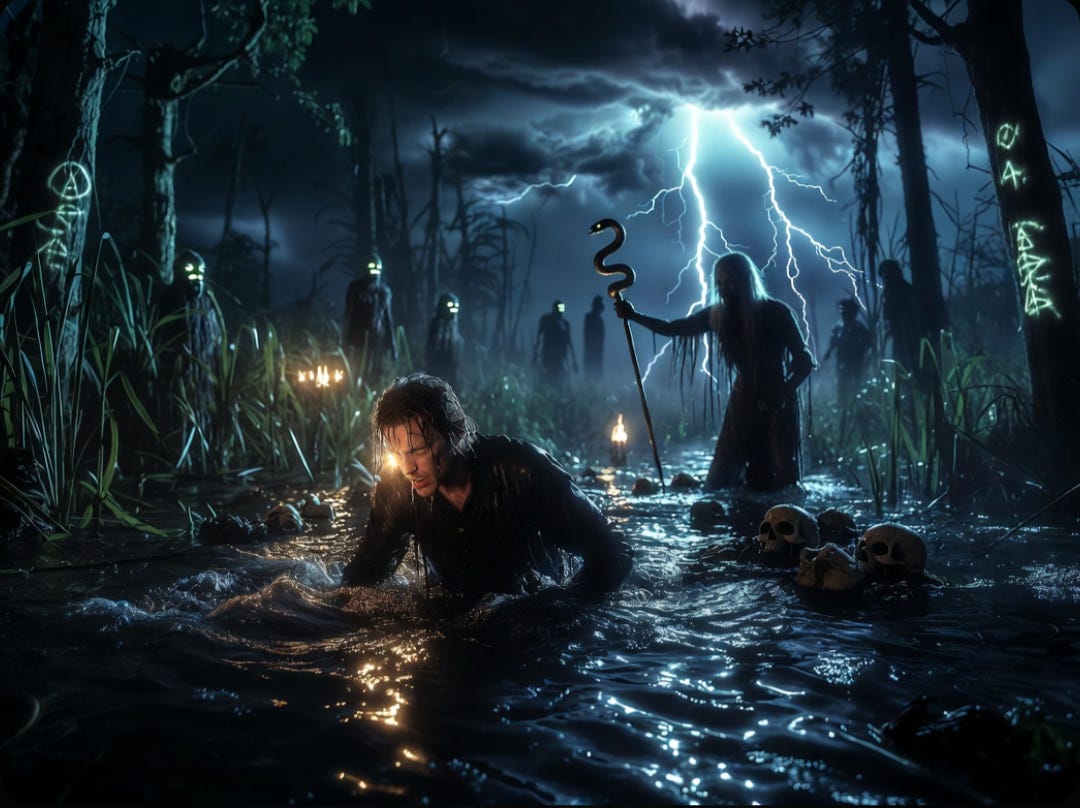
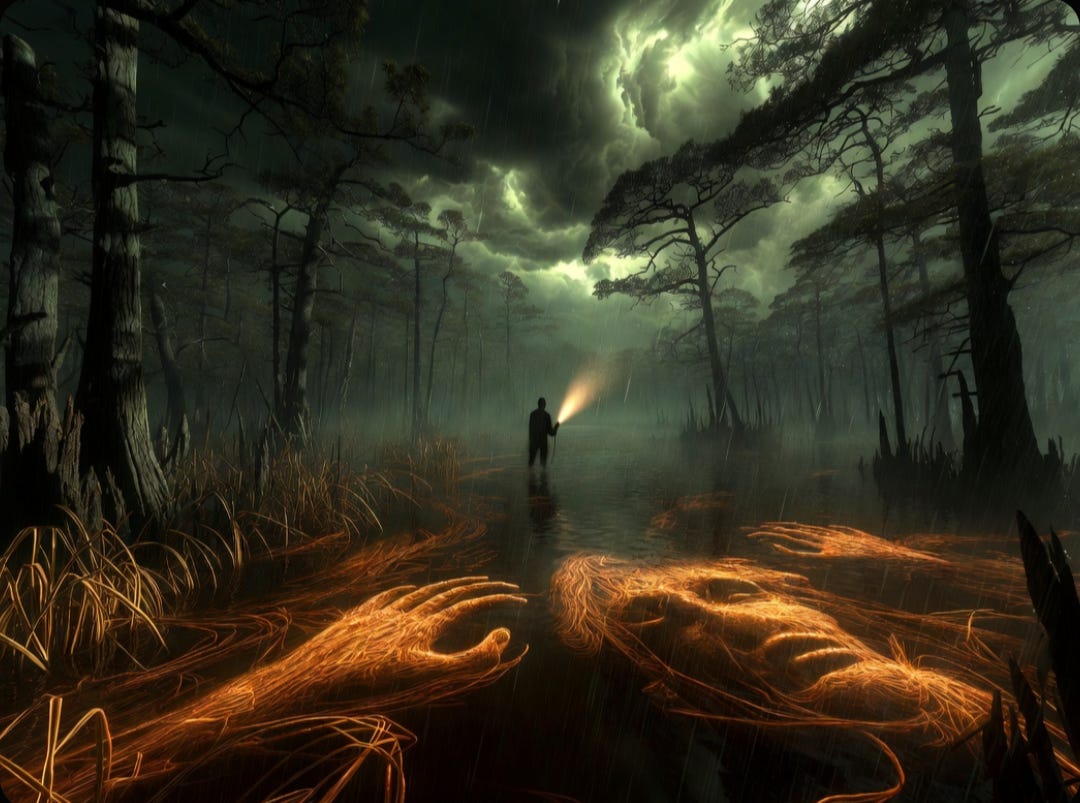
Beau ran.
He crashed back to the cabin, bolted the door, and sat shaking until false dawn grayed the sky.
The storm passed. The swamp fell silent, satisfied.
He drove back to New Orleans with the windows down, radio loud, trying to outrun the quiet.
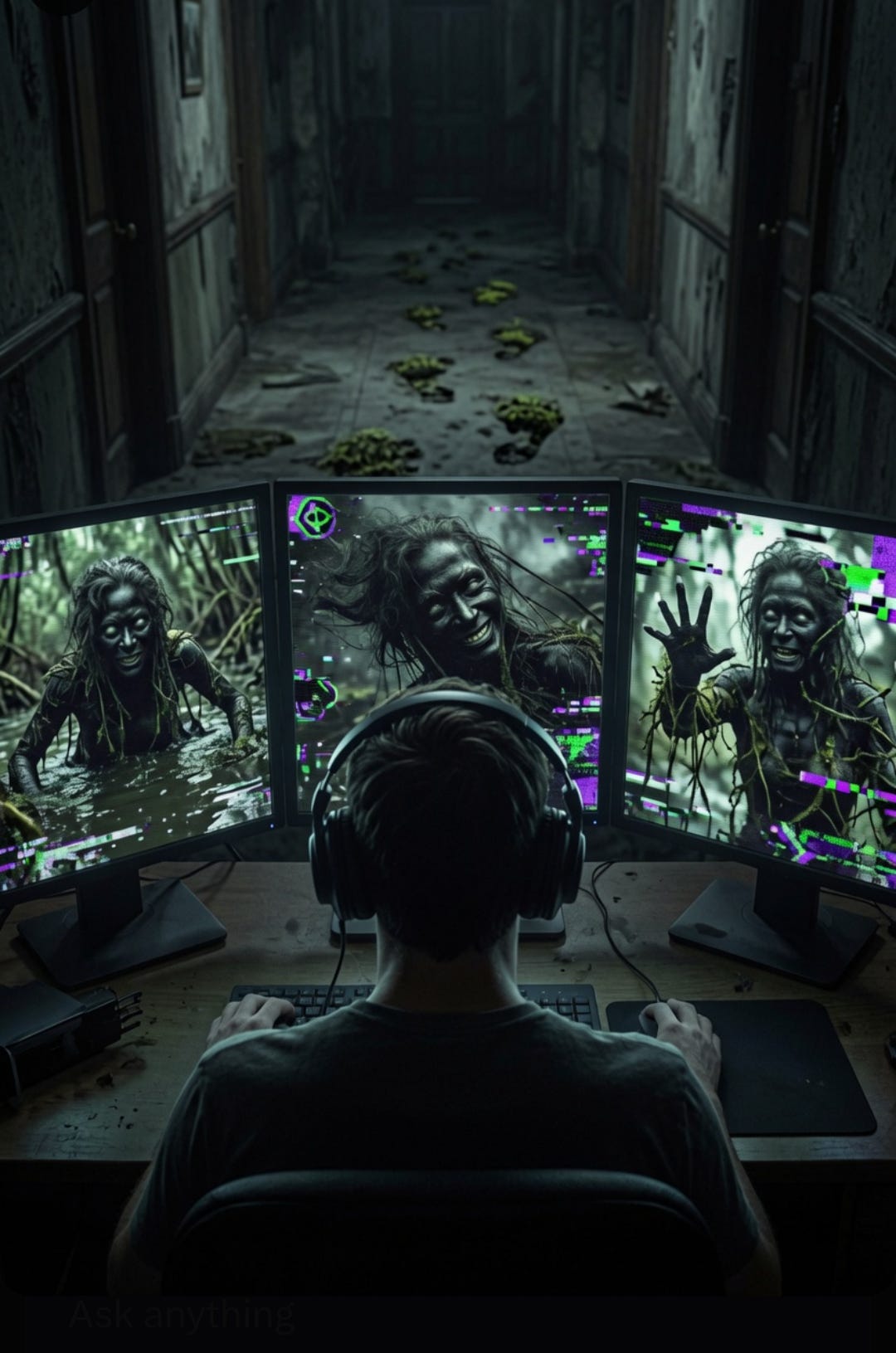
In his apartment above a closed jazz club on Frenchmen Street, he transferred the final files and began editing.
The screen glowed. Headphones on.
The last track opened with rain. Then his own voice, gentle and close, as if sitting right beside him:
“Come back. The water’s warm.”
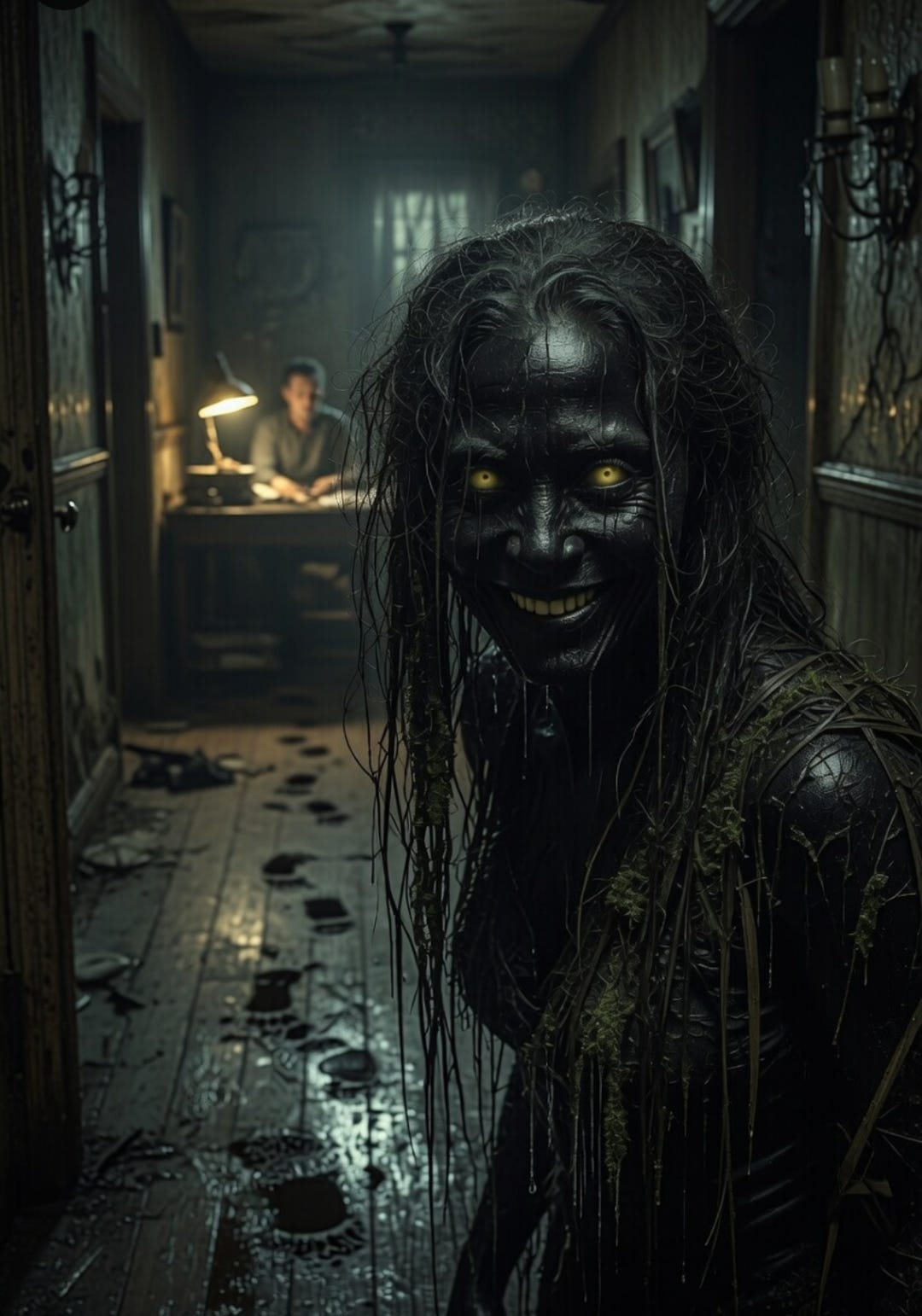
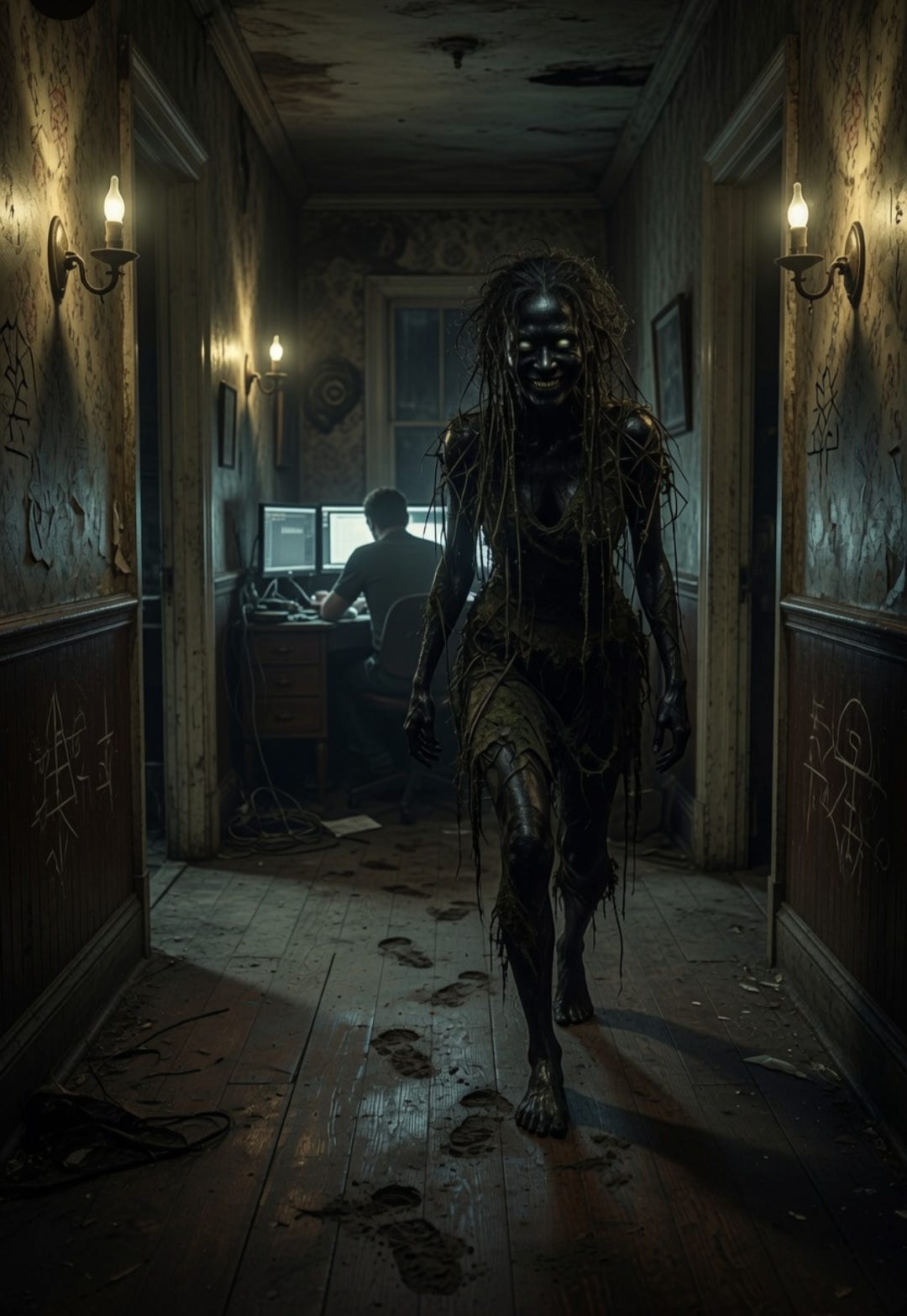
A wet footstep sounded from the hallway outside the editing room.
Then another. Slow. Deliberate. Leaving dark prints on the hardwood.
Beau didn’t turn around.
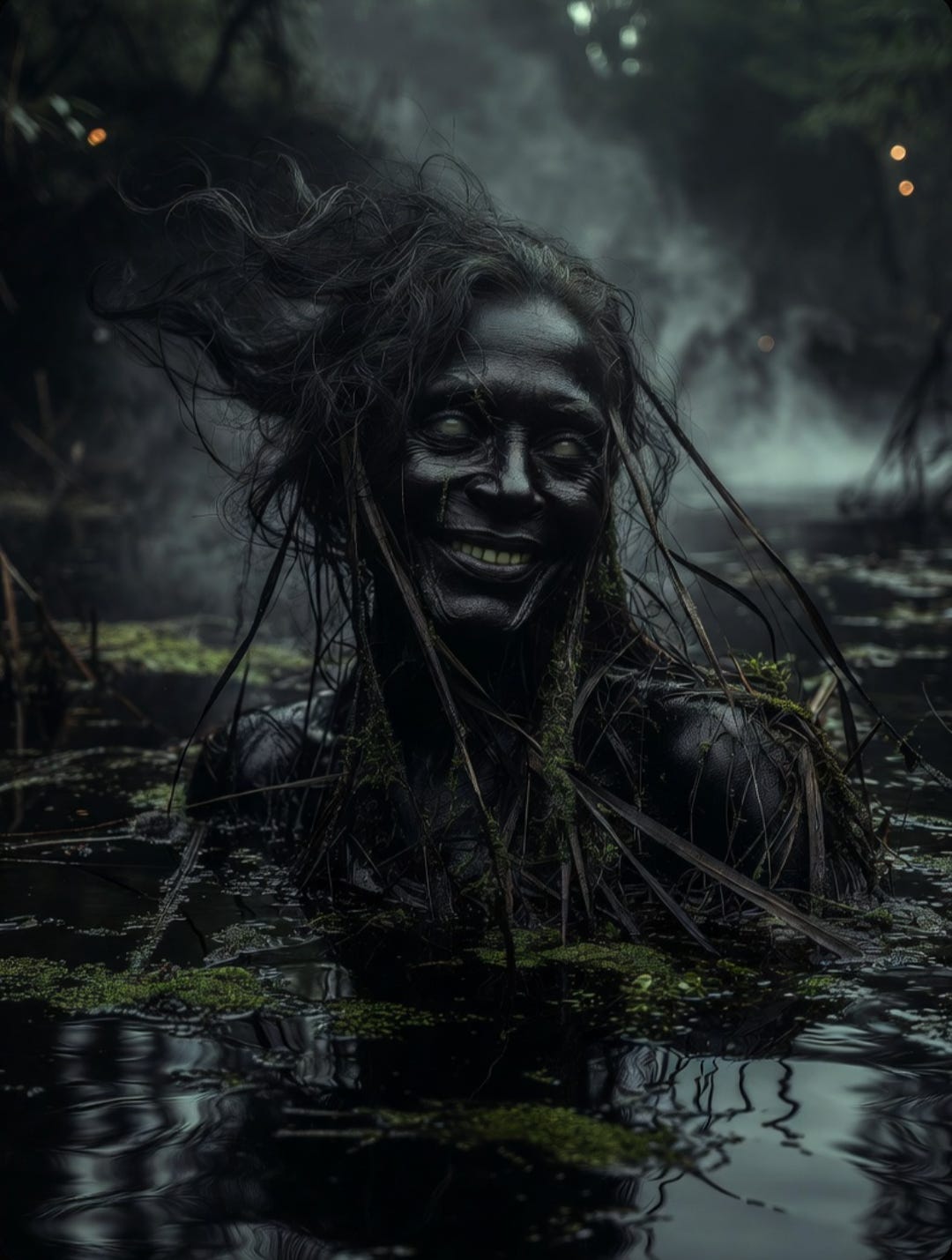
He already knew what he would see if he did—his grandmother’s smile on a thing that wore his face, reeds tangled in its hair, eyes like still water reflecting drums that would never stop.
The loa had finally collected.
And somewhere deep in Barataria Swamp, the calling reed kept swaying, patient, waiting for the next descendant foolish enough to listen.